Species page
Apristurus Ampliceps
Shark species in Pentanchidae.
Apristurus ampliceps
Species page
Shark species in Pentanchidae.
This species belongs to the catshark family, a huge group of generally small bottom-associated sharks. PocketShark treats these entries as quiet, patterned seafloor hunters unless stronger species-specific evidence points elsewhere. Catsharks are generally small to medium sharks with slender bodies, elongated tails, and patterned skin marked by spots, saddles, or reticulation. Catsharks are widely distributed from tropical to temperate seas around the world. Some species are shallow shelf residents, but many others live on slopes, seamounts, and deep benthic habitats.
Most species are bottom-associated and favor reefs, soft-bottom shelves, canyons, or upper-slope terrain. Habitat varies substantially by genus.
Added from the World Register of Marine Species (WoRMS).
Why it matters: Many catshark egg cases are the classic 'mermaid's purses' washed ashore after hatching.
Catsharks are generally small to medium sharks with slender bodies, elongated tails, and patterned skin marked by spots, saddles, or reticulation.
Catsharks are widely distributed from tropical to temperate seas around the world. Some species are shallow shelf residents, but many others live on slopes, seamounts, and deep benthic habitats.
Most species are bottom-associated and favor reefs, soft-bottom shelves, canyons, or upper-slope terrain. Habitat varies substantially by genus.
Family: Pentanchidae
Compare it against Apristurus Albisoma, Apristurus Australis, and Apristurus Breviventralis.
They are usually harmless and seldom noticed outside trawls, research catches, aquaria, or night dives.
Species-level taxonomy was verified from Sharkipedia's current species list and taxonomy workbook. In this pass, the narrative fields are cautious family-level placeholders synthesized from broad shark references, chiefly the FAO Sharks of the World catalogue, because a stronger multi-source species-level synthesis was not assembled here without risking invented detail. Replace this with a direct species-level synthesis before publication in the app.
These links are meant to help readers continue through related species, not force extra clicks.
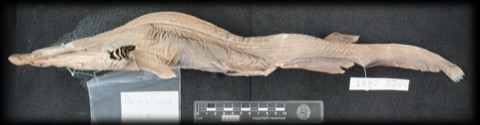
Shark species in Pentanchidae.
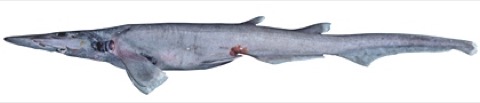
Shark species in Pentanchidae.
Shark species in Pentanchidae.
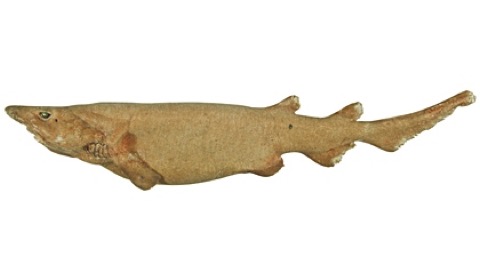
Shark species in Pentanchidae.